

watch video on youtube »
A Common Question,
Why are Roof Racks So Expensive?
Are you gearing up for adventures this summer with family and friends? If you are, you’re almost certainly going to have a moment where you look at a roof rack price tag and think, man, why do these things cost so much?
It’s a fair question — and one we hear all the time at Roof Racks Calgary. The short answer is that roof racks don’t have to be expensive, but over the last few years in particular, prices have climbed. Let’s unpack why that is, what your options are, and how to decide what makes sense for you.
Not All Roofs Are Created Equal
One of the biggest factors in roof rack cost is the type of vehicle you drive and, more specifically, what’s on your roof.
If your vehicle has raised rails, you’re already ahead of the game. Adding crossbars to raised rails is simpler and requires fewer components. If you’ve got a bare, or “naked,” roof, things get more complicated and more expensive. You’ll need additional parts to safely attach a rack, which naturally increases the overall cost.

Budget-Friendly Roof Rack Options
If you don’t use a roof rack very often, there are affordable options that get the job done.
Temporary Systems Like the Malone VersaRail
Companies like Malone offer clever, inexpensive solutions. The Malone Versarail, for example, comes in around the $200 mark and uses suction cups and straps that run through your vehicle to secure the rack to the roof.
It’s a fantastic option for temporary use. That said, it does come with a few trade-offs. Water can enter through the door weather stripping if it’s raining, it’s a bit noisier, and the interior straps can get in the way when you're sitting in the vehicle.
If you’re using a rack once or twice a summer — or even once a month — it’s a solid, budget-friendly choice.
Malone Air Flow Cross Rails
Malone also makes Air Flow cross rails, typically priced between $200 and $300. These attach directly to most raised rails and do exactly what premium Thule or Yakima setups do, just with fewer features and at a much friendlier price point.


Premium Roof Racks — What Are You Paying For?
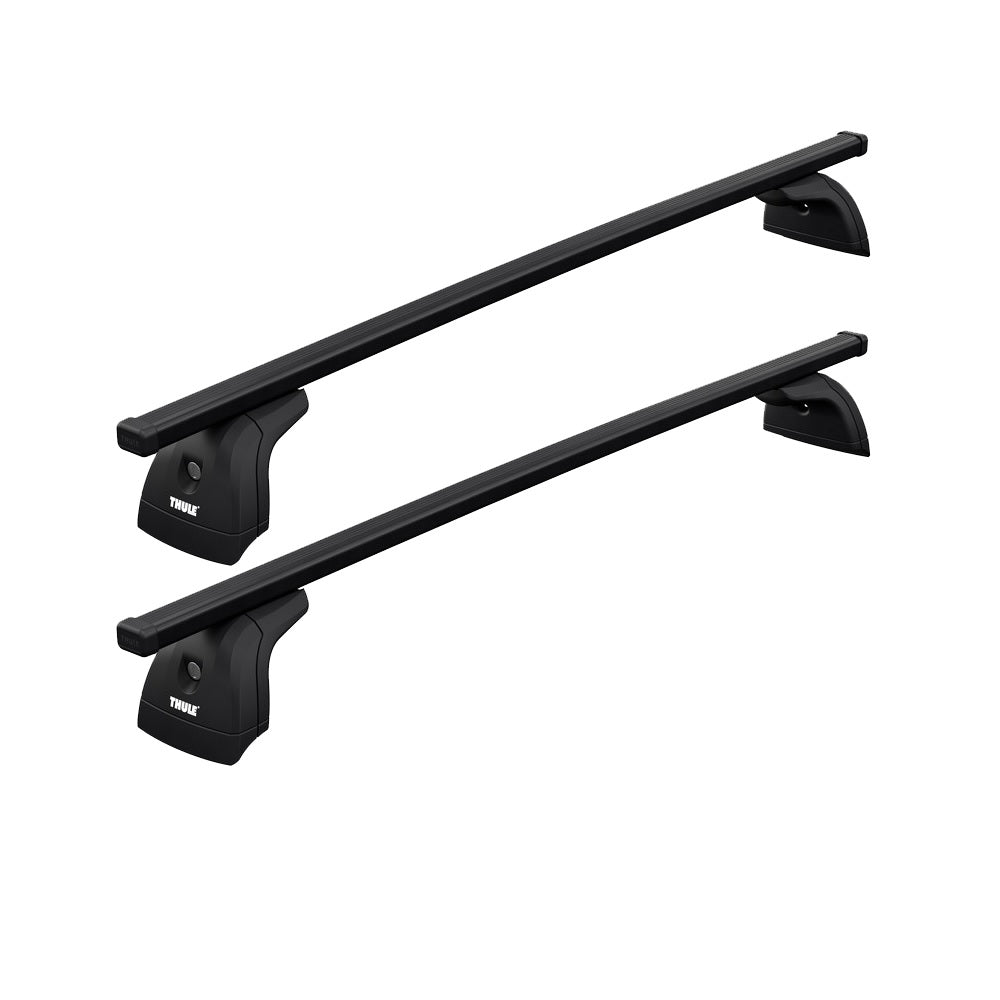
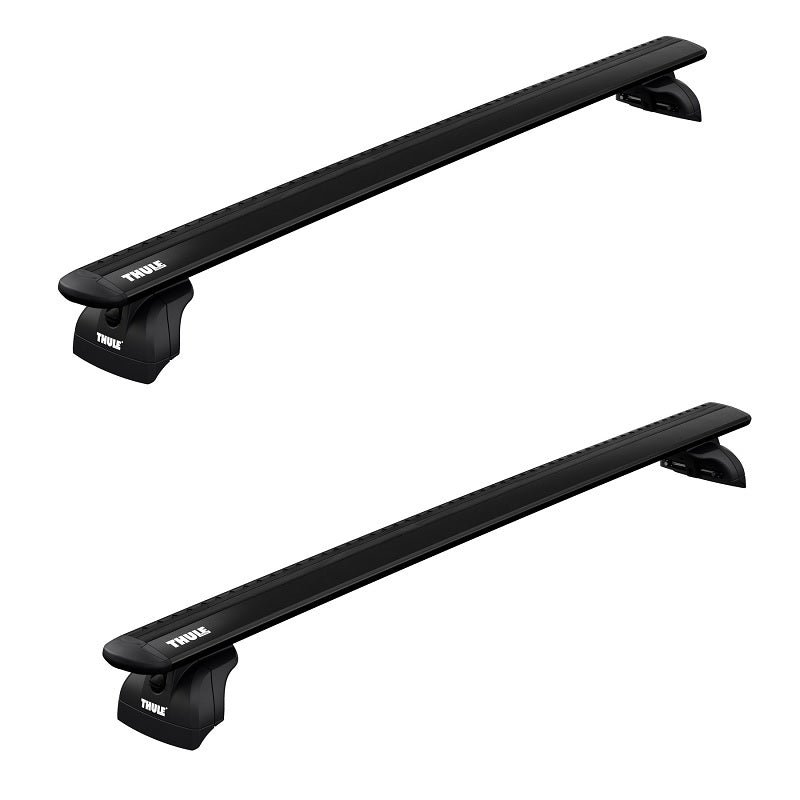
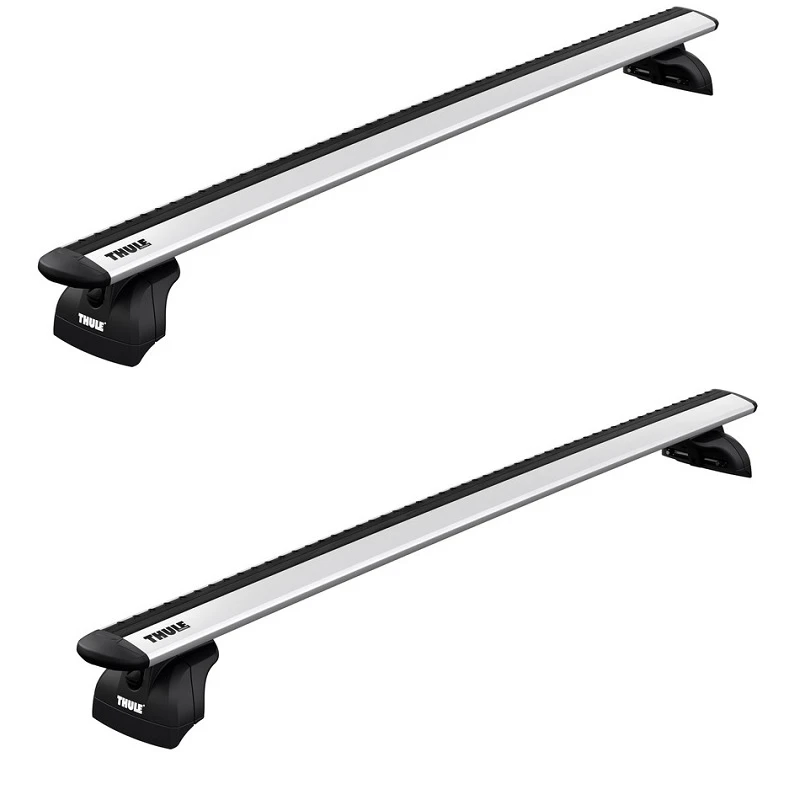
This brings us to the premium brands: Thule, Yakima, Rhino-Rack, and others. A complete base rack system from these companies can run anywhere from $550 to close to $1,000.
So why the jump?
Research, Engineering, and Testing
A lot goes into these systems. For vehicles with naked roofs, racks rely on vehicle-specific fit kits. Each kit is engineered for a particular make, model, and year. That means extensive research, design work, and rigorous testing all to ensure the rack is safe and performs exactly as intended.
Consider this: you might be carrying a 120-pound fishing kayak on your roof. You want absolute confidence that your rack will hold that weight securely and won’t come loose at highway speeds. That peace of mind is a big part of what you’re paying for.
Manufacturing Standards and Labour
Most premium racks are built in Europe or North America, where labour costs are higher. The upside? You’re supporting skilled manufacturing jobs and benefiting from higher quality control and materials.



So… Are Roof Racks Worth It?
In a nutshell — yes, roof racks can be expensive. Expect to spend anywhere from $200 to $1,000 for a set of base racks.
What’s important to understand is that premium roof racks aren’t expensive for no reason. There’s a tremendous amount of engineering, safety testing, and development behind them.
If you have questions about roof racks or want help getting properly outfitted for your next adventure, we’d love to chat. You can check us out at roofrackscalgary.com or stop by one of our in-person locations, we’re always happy to help you get adventure ready.
RELATED ARTICLES
View all

