
watch video on youtube »
Buying Advice
What kind of Bike rack is best for me?
Shopping for a bike rack can feel overwhelming. There are a lot of options, and at first glance, they can all blur together. At Roof Racks Calgary, we spend a lot of time helping customers navigate these choices, so let’s break it down in a clear, practical way.
Generally speaking, there are three main ways to mount bikes to your vehicle: trunk-mounted bike racks, rooftop bike racks, and hitch-mounted bike racks. Each has its place, and each comes with its own set of pros and cons.

Trunk-Mounted Bike Racks
Trunk-mounted bike racks are typically the least expensive option. They don’t require any additional racking beyond the bike rack itself, and there’s no need for a hitch. They’re also generally easy to put on and take off your vehicle.
These racks use rubber-reinforced metal clips that hook around the trunk or hatch of your vehicle. For occasional riders, they can be a great solution—if they work with your vehicle.
That’s the catch. Hatchback vehicles, large spoilers, or unusual rear designs can make trunk-mounted racks difficult or even impossible to install properly. If compatibility isn’t an issue, they’re a solid option for casual use.
Rooftop Bike Racks
Rooftop bike racks are another relatively inexpensive choice—provided you already have a roof rack installed. If you don’t, adding crossbars and towers can quickly increase the overall cost.
These racks work best for lightweight bikes on low-height vehicles, such as sedans. Road bikes are a natural fit here. Once vehicles get taller (SUVs, trucks, or vans), the convenience drops off quickly.
Rooftop racks are generally not ideal for e-bikes, fat-tire bikes, or heavier mountain bikes. Lifting those overhead isn’t practical for most people, and that’s where other options make more sense.


Hitch-Mounted Bike Racks
Hitch-mounted bike racks are our most popular—and our personal favourite—option. They’re the easiest to load, the most versatile, and can handle just about any type of bike.
These racks fit into either a 1¼-inch or 2-inch hitch. If your vehicle can accommodate a 2-inch hitch, we strongly recommend it—it’s simply the superior setup.
Hitch-mounted racks do tend to be more expensive, but they offer unmatched convenience. Within this category, there are two main styles to consider.
Hanging-Style Hitch Racks
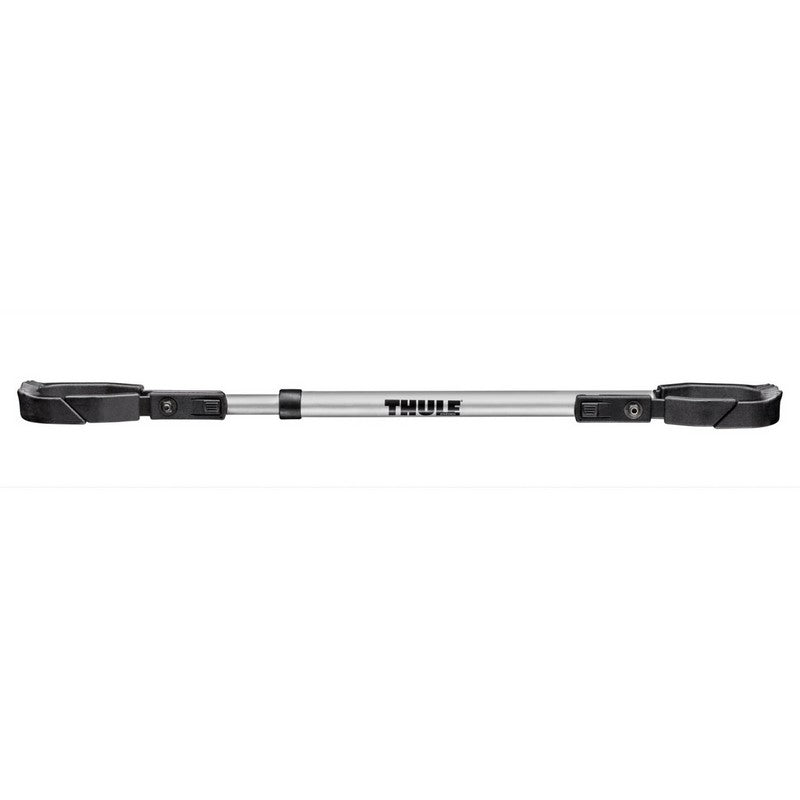
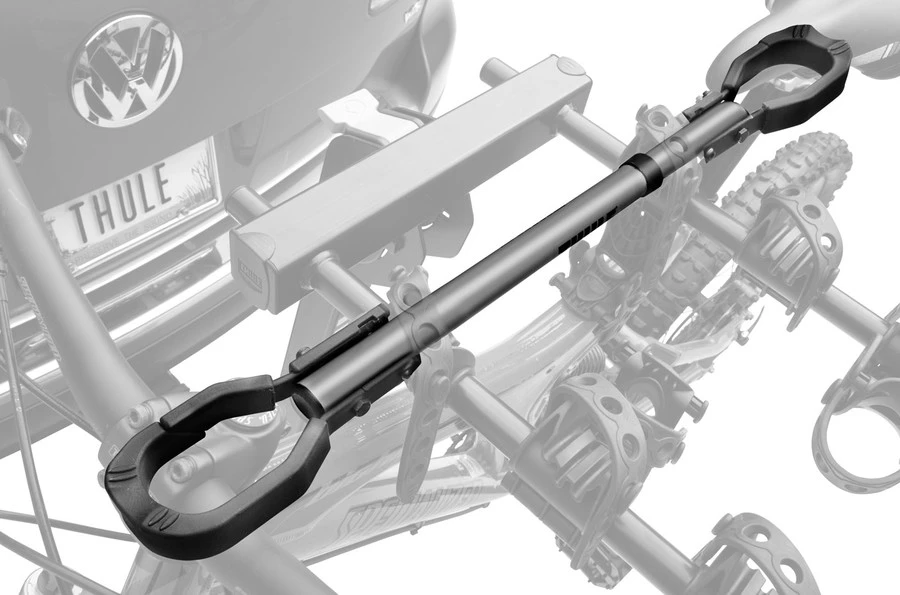
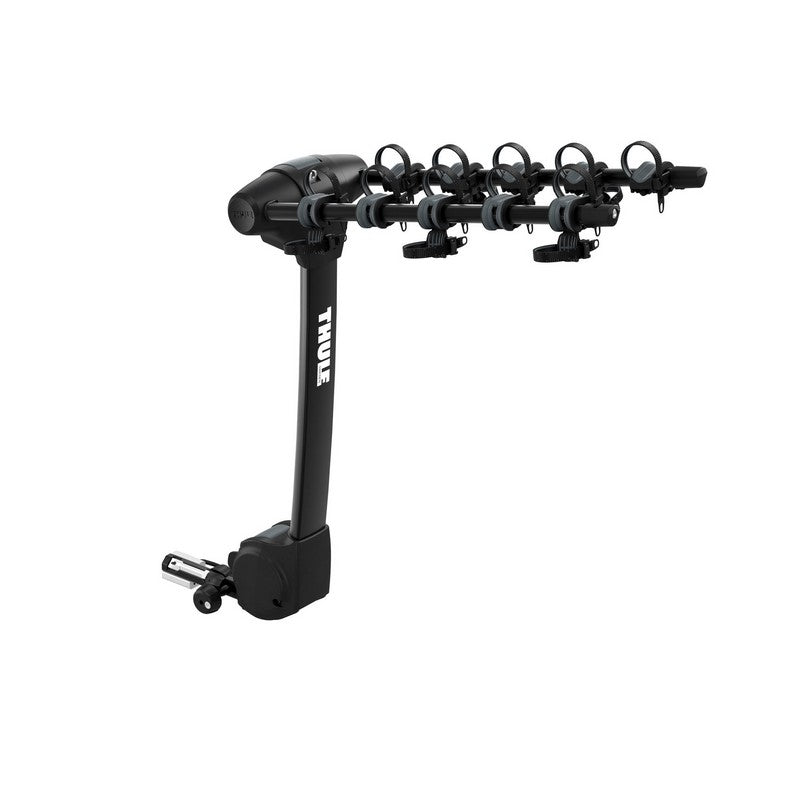
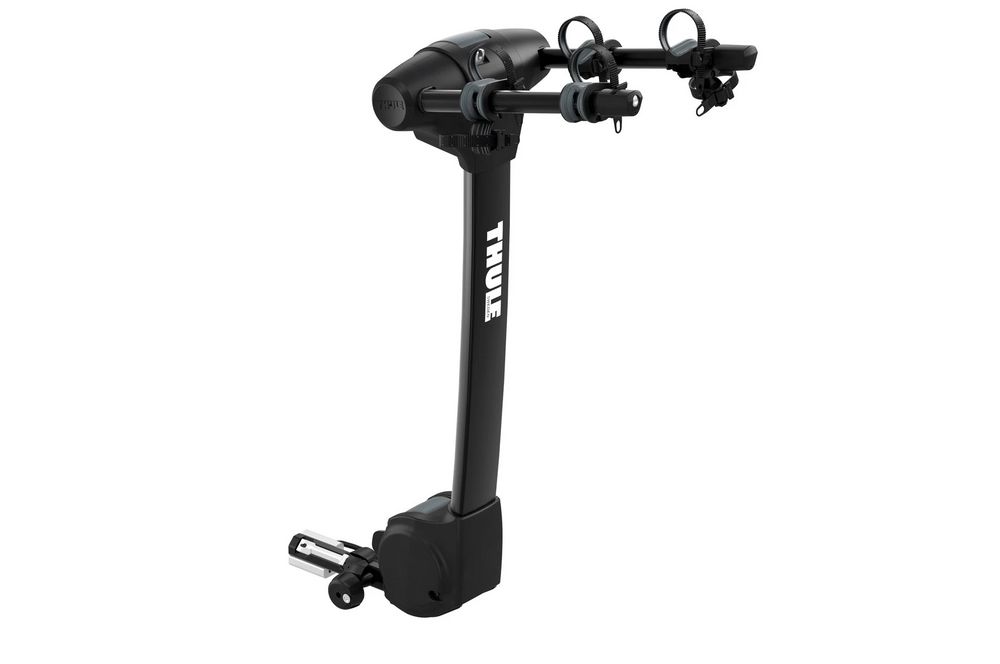
Hanging-style racks support bikes by the top tube using two arms. They’re generally the more affordable hitch option and are especially useful if you need to carry a larger number of bikes—typically up to five.
They’re a good choice for families or group rides, though loading can be a bit more awkward depending on bike shape and size.
Tray-Style Hitch Racks
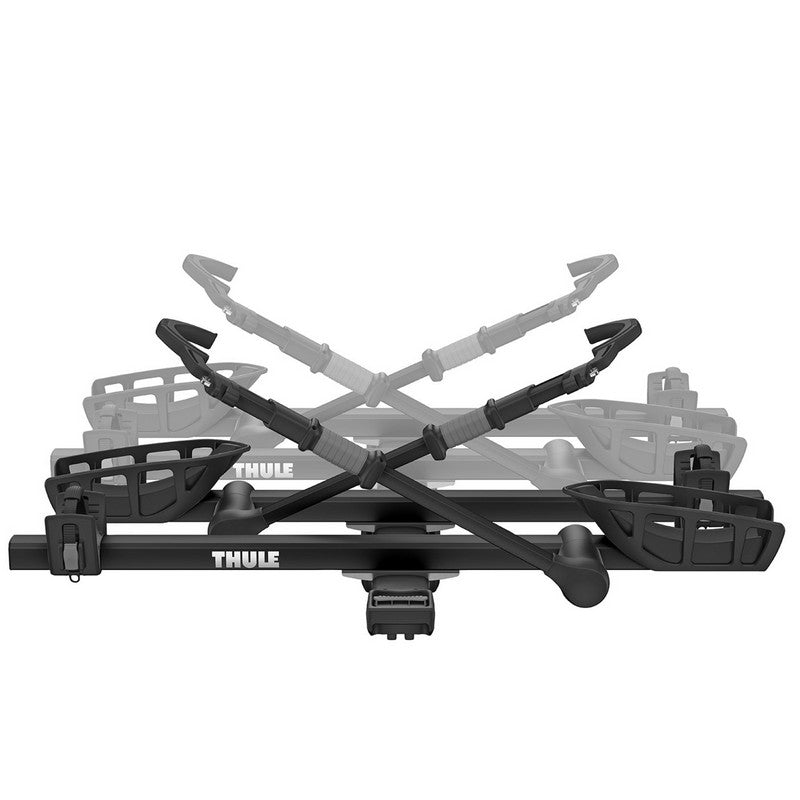
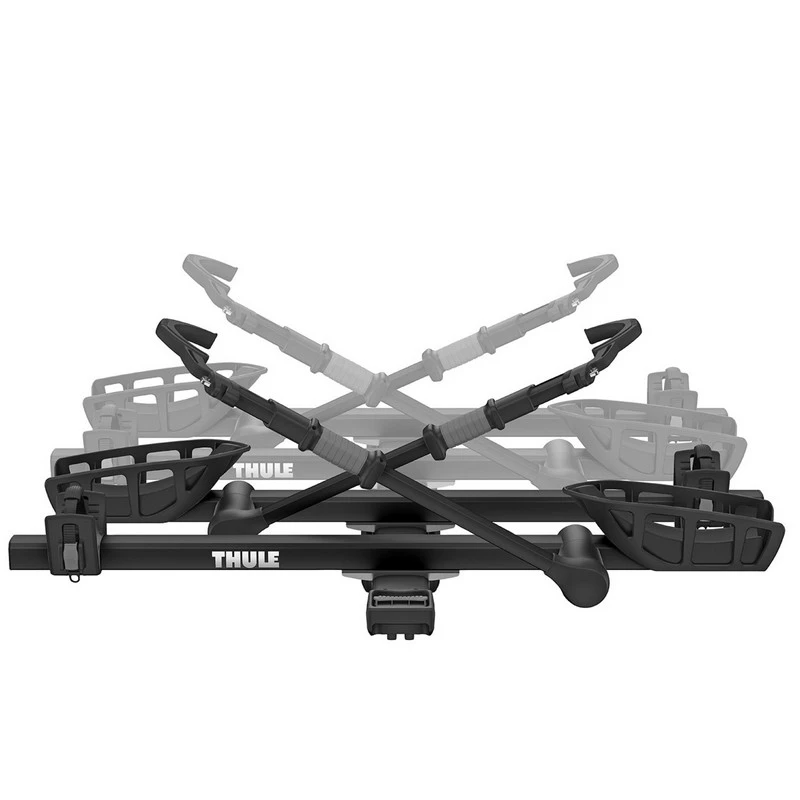
Tray-style racks are the newer—and more refined—design. They support the bike from underneath, making them much easier to load and unload. Many allow you to simply roll the bike into place, which is a big win for heavier bikes.
These racks are ideal for e-bikes, fat-tire bikes, and heavier mountain bikes, typically carrying between two and four bikes. The trade-offs? They’re bulkier, heavier, and usually the most expensive option, but for many riders, the ease of use is worth it.

So, Which Bike Rack Is Right for You?
In the end, there are three excellent ways to carry bikes: trunk-mounted bike racks, rooftop bike racks, and hitch-mounted bike racks. The right choice depends on your vehicle, your bikes, and how often you ride.
If you’re unsure which direction to go, we’re always happy to help. Come visit us in-store or check us out online at RoofRacksCalgary.com—we’d love to chat and get you set up for your next ride.